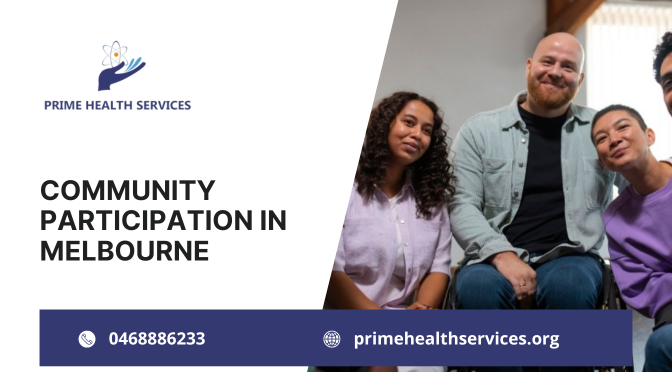
Active community participation isn’t just about showing up, it’s about shaping the way we live, grow, and thrive together. Whether you’re in Melbourne, Craigieburn, or Mickleham, engaging in local decision-making helps foster stronger, more inclusive environments where every voice matters. But what exactly makes this type of involvement so powerful, especially within the NDIS framework? Let’s explore. Why Community Participation Matters? Active community participation in Melbourne helps individuals feel empowered, respected, and connected. In the context of the NDIS, it goes far beyond simply joining in; it’s about building independence, making choices, and having real influence over one’s support and environment. When people are included in conversations and decisions about their care and surroundings, we see a dramatic rise in increased social engagement, life skills development, and improved daily living outcomes. The Role of Community Participation Across Melbourne, Craigieburn, and Mickleham Regions like Melbourne, Craigieburn, and Mickleham are leading the way with inclusive programs that support community participation in decision-making processes. This is especially vital for those accessing NDIS community access services, ensuring that participants are not just present but actively engaged. From planning local events to joining committees or participating in group and centre-based activities, individuals are empowered to pursue participant goals that reflect their true interests and values. NDIS and the Power of Inclusive Supports The NDIS recognises the importance of community inclusion and provides funded support that makes it easier for individuals to access services that promote increased community involvement. These include:
- Support coordination
- NDIS core supports
- Assistance with social and community participation in Craigieburn
- Community engagement supports
- NDIS social support
These services help participants access social and recreational activities, enabling them to take part in inclusive activities and develop stronger, more diverse social networks. Capacity Building Through Community Decision-Making One of the most transformative outcomes of active participation is capacity building. When individuals are involved in decision-making, they not only gain confidence but also develop essential life and communication skills. This leads to:
- Greater autonomy
- Better self-advocacy
- Stronger community ties
- Long-term achieving of NDIS goals
Being heard and respected encourages a sense of belonging and accountability, which contributes to both personal growth and a healthier community as a whole. How Support Workers Make It Happen? Support workers of a renowned disability services & support organisation in Melbourne play a crucial role in facilitating meaningful participation. Through personalised support plans, they ensure that individuals receive the right guidance, tools, and encouragement to engage fully in community life. Whether assisting with transport, communication, or navigating services, these professionals are the bridge between potential and reality empowering participants to reach their full potential through active community participation in Mickleham. Creating Connections Through Community Participation Community participation is not just about having fun, it’s a vital component of mental health and well-being. Activities like community gardening, local sports, art workshops, and volunteering all contribute to building social networks and a deeper sense of community. By participating in social and recreational activities, individuals experience a greater sense of fulfilment and joy, which enhances daily living and supports long-term stability. A Future Built on Community Involvement When individuals are supported to make decisions and engage with their community, the benefits are far-reaching. Not only do we see better outcomes for participants, but communities themselves become more diverse, inclusive, and resilient.
FAQ
Q1. What is community participation in the NDIS?
Community participation refers to activities and opportunities that allow NDIS participants to engage with their local community. This can include social, recreational, and volunteer activities, as well as gaining skills that improve independence and connection with others.
Q2. How does community participation benefit NDIS participants? Community participation helps NDIS participants develop social skills, build connections, enhance self-esteem, and improve overall mental and physical health. It also promotes independence and inclusion in mainstream society.
Q3. What types of activities are considered under community participation?
Activities can include volunteering, joining social clubs, attending community events, taking part in local sporting activities, or learning new skills. It also covers support for travel training and accessing community services like libraries, museums, or local parks.
Q4. How is community participation funded under the NDIS? Community participation can be funded through the Capacity Building Supports category in the NDIS plan. The funding will vary based on the participant’s individual goals and needs, and the activities must be aligned with the aim of increasing independence and community involvement.
Q5. Do I need a specific goal in my NDIS plan for community participation? Yes, community participation is usually linked to specific goals in a participant’s NDIS plan. These goals could be related to improving social skills, joining new groups, or gaining independence in the community. The support coordinator can help develop these goals.
Q6. Can I use NDIS funding for transport to community activities? Yes, transport to community participation activities may be covered under NDIS funding, depending on your individual circumstances. This is typically funded through Transport Supports or Capacity Building Supports, particularly if travel is essential to accessing the community activities.
Q7. Can I participate in community activities if I have limited mobility or require significant support? Yes, the NDIS can fund support tailored to your needs. This might include specialised transport, personal support, or assistive technologies to ensure that you can fully engage in your chosen community activities.
Q8. How can I find suitable community participation opportunities? You can explore options through local disability service providers, community organisations, or online platforms. Your support coordinator can also help identify activities that match your interests and goals, ensuring that the activities are accessible and inclusive.
Q9. Can I use NDIS funding to access group-based activities or social events? Yes, group-based activities and social events are a common form of community participation and can be funded under the NDIS, provided they align with your goals. This could include joining a hobby group, attending a social club, or participating in group fitness classes.
Q10. What happens if my NDIS plan does not include community participation support? If your NDIS plan does not include community participation support but you feel they are important, you can request a plan review. Your planner can reassess your goals and funding to include supports that enable you to engage more fully with your community. Whether through structured programs or casual local initiatives, the push for community participation Melbourne, Craigieburn, and Mickleham is helping build a future where everyone has a voice. You must consult with the experts of Prime Healthcare Services a renowned disability services & support organisation to get better knowledge about community participation and how they help the eligible participants.